
 By Peter Onyekachukwu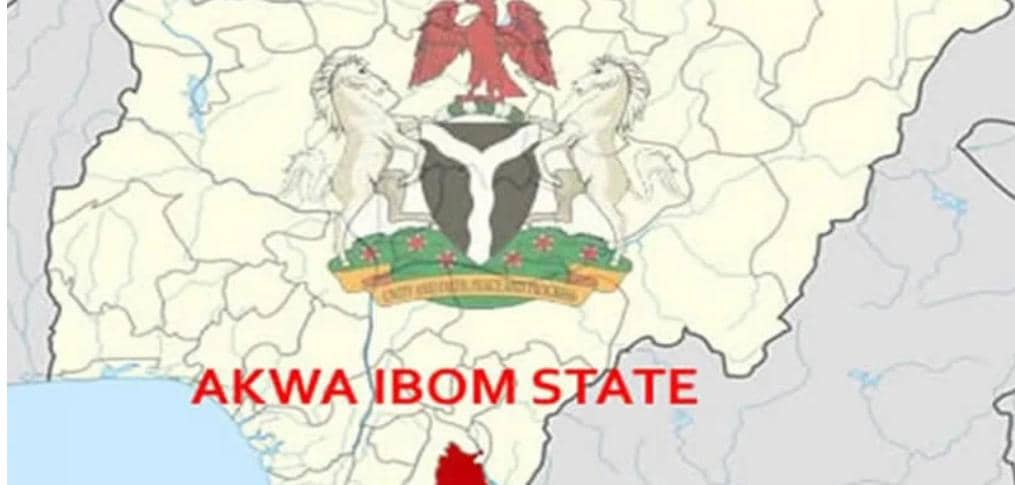
By Peter Onyekachukwu
Akwa Ibom has once again emerged as Nigeria’s cleanest state for 2025, maintaining its long-standing lead in national sanitation performance with an impressive score of 79 per cent. The recognition was announced during the State of the Nigerian Environment (STONE) 2025 report briefing held in Abuja.
The National Coordinator of Clean-Up Nigeria, Ene Owoh, said the state also won the Unbroken Green Crystal Award for the eighth consecutive time, reinforcing its position as a consistent cleanliness champion since 2018. He explained that the award followed a comprehensive environmental assessment carried out across all 36 states.
According to Owoh, the STONE 2025 study combined physical inspections of towns and communities with satellite imagery analysis that accounted for 80 per cent of the scoring. He said the National Technical Study Group conducted the year-long evaluation from November 2024 to November 2025.
He disclosed that Ebonyi and Enugu followed in second and third place with 65 and 56 per cent, respectively. “The performance clearly shows strong competition among the top states, but Akwa Ibom has continued to excel,” he said.
The report also highlighted regional cleanliness champions across Nigeria’s six zones. States such as Plateau, Lagos, Bauchi, and Kaduna topped their geopolitical regions, while the FCT was also listed among the nine cleanest areas nationwide.
Owoh stated that the study assessed street and road sanitation, vegetation and drainage control, waste management services, public opinion, and the hygiene behaviour of citizens. He added that there was an 8 per cent increase in the procurement of waste management equipment across states in 2025.
Despite the positive rankings, the report flagged several worrying trends, including a drop in sanitation workers’ health performance from 31 per cent to 28 per cent. It also noted a rise in sanitation-related diseases from 29 per cent in 2024 to 43 per cent in 2025.
Owoh warned that hygiene practices among Nigerians had declined from 36 per cent to 32 per cent, even though open defecation reduced from 24 per cent to 19 per cent. He stressed that Nigeria still ranks as the second highest country globally in open defecation prevalence.
He said satellite data showed that out of Nigeria’s estimated 240 million people, more than 187 million live in unclean environments, a situation that continues to impact life expectancy, which dropped from 50 years in 2024 to 47 years in 2025.
Owoh called on governments at all levels to scale up investments in waste management and environmental sanitation. He urged citizens to prioritise hygiene while advocating for more public toilets, school environmental clubs, and broader adoption of a national green agenda.