
 By Charles Pemu
 As millions of British citizens finalize their 2026 holiday bookings, a shifting landscape in global travel mobility and a fascinating psychology behind passport aesthetics are coming to light. While 3.8 million passports were issued in the UK during the first half of 2025 alone, the prestige of the “British Blue” has taken a significant hit. The latest Nomad Capitalist Passport Index reveals that the United Kingdom has slumped to 35th place globally, trailing far behind nations like Malta, which now holds the world’s most coveted travel document.
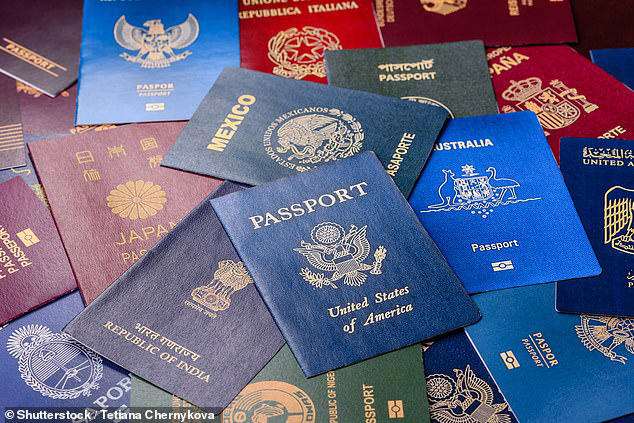
Beyond the rankings, a curious global standard persists: despite thousands of potential colour options, more than 90 percent of the world’s passports fall into just four primary tones—red, blue, green, and black. Experts suggest this is not merely an aesthetic choice but a complex blend of geopolitical identity, manufacturing constraints, and security imperatives.
The Geopolitics of the Passport Palette
According to Jamie Fraser, a specialist at Wildpacks, passport colours function as a silent code for international alignment. Red is often the hallmark of European Union membership or historic socialist ties, while blue—recently reclaimed by the UK post-Brexit—symbolises the “New World” across North and South America. Green is deeply rooted in Islamic tradition, signifying paradise and life, and is a staple for many Middle Eastern and West African nations. Black, the rarest of the four, is typically chosen for its aura of authority or to match national flag motifs, as seen with New Zealand’s iconic silver fern branding.
Only a few nations deviate from this rigid quartet. Norway’s modern passport series features a striking salmon pink for ordinary citizens, while Fiji utilizes a vibrant turquoise that mirrors its Pacific flag.
The preference for dark, somber tones is driven by the harsh realities of international travel. Printing specialists at Carrick Signs explain that passports are functional tools expected to withstand a decade of handling, extreme temperatures, and chemical exposure. Darker hues such as navy and burgundy are essential for hiding scuffs and dirt.
Furthermore, the high-security materials required for modern passports—including anti-tamper laminates and UV-reactive inks—interact most effectively with deep, solid pigments. Bright or neon shades can compromise the longevity of these security features, making them a liability for immigration authorities who rely on rapid, visual verification at border crossings.
Malta Takes the Lead as the UK’s Appeal Fades
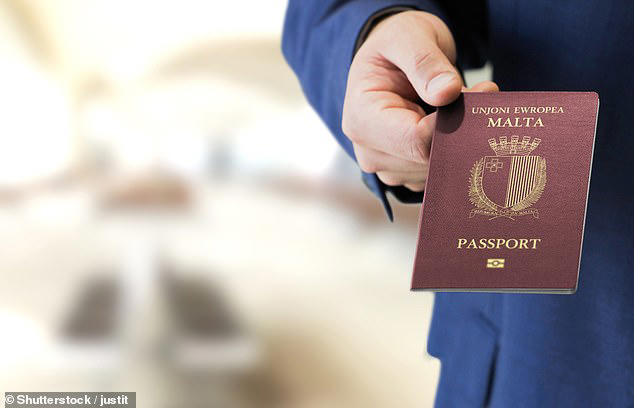
The technicalities of passport production are being overshadowed by a significant shift in the 2025 global power rankings. Malta has secured the top position in the Nomad Capitalist Index, praised for its tax-friendly environment for entrepreneurs and its high scores in personal freedom and dual citizenship.
| Rank | Country | Key Strengths |
| 1 | Malta | Investment Appeal, High Global Perception, Dual Citizenship |
| 2 | Ireland | Exceptional Freedom Scores, EU Mobility |
| 2 | Greece | Top Marks for Visa-Free Travel Access |
| 35 | United Kingdom | Declining due to Tax Burdens and Freedom Constraints |
The UK’s decline to 35th place—shared with Canada and South Korea—is largely attributed to increased domestic tax pressures and a reduced perception of personal freedom. For the modern “global nomad,” the value of a passport is no longer just about where you can visit, but how a nation treats its citizens’ wealth and liberties.