
 By Charles Pemu
The Presidency has intensified its defense of Nigeria’s newly enacted tax reform laws, dismissing explosive allegations that the executive branch secretly altered critical provisions after they were passed by the National Assembly. Addressing the mounting controversy, government spokespersons insisted that the legislative process remained transparent and lawful, describing the outcry from opposition leaders as a coordinated attempt to derail the administration’s fiscal stabilization agenda.
The rebuttal follows a formal decision by the House of Representatives to constitute a seven-man ad hoc committee, led by Hon. James Faleke, to investigate “vital discrepancies” between the bills debated in parliament and the versions currently being gazetted for public use. With the implementation date set for January 1, 2026, the investigation marks a high-stakes confrontation between the executive’s revenue ambitions and the legislature’s constitutional oversight.
The controversy gained momentum after Representative Abdussamad Dasuki (PDP, Sokoto) alerted the House to discrepancies that he argued would render the new laws “legally vulnerable.” Sources within the National Assembly suggest that several oversight mechanisms originally approved by lawmakers were expunged from the final Acts. In their place, new “coercive” clauses—reportedly never voted on—were inserted into the gazetted documents.
The contested insertions reportedly include:
- Unilateral Enforcement: Powers allowing tax authorities to execute garnishee orders and arrests without prior judicial approval.
- Barriers to Justice: A mandatory requirement for taxpayers to deposit 20 percent of disputed funds before an appeal can be heard in court.
- Monetary Mandates: New clauses enforcing compulsory USD computation for specific revenue brackets.
Former Vice President Atiku Abubakar and Labour Party leader Peter Obi have both condemned the development. Obi characterized the shift as a transition from “budget padding to law forgery,” warning that the inclusion of enforcement powers not approved by elected representatives strikes at the core of constitutional democracy.
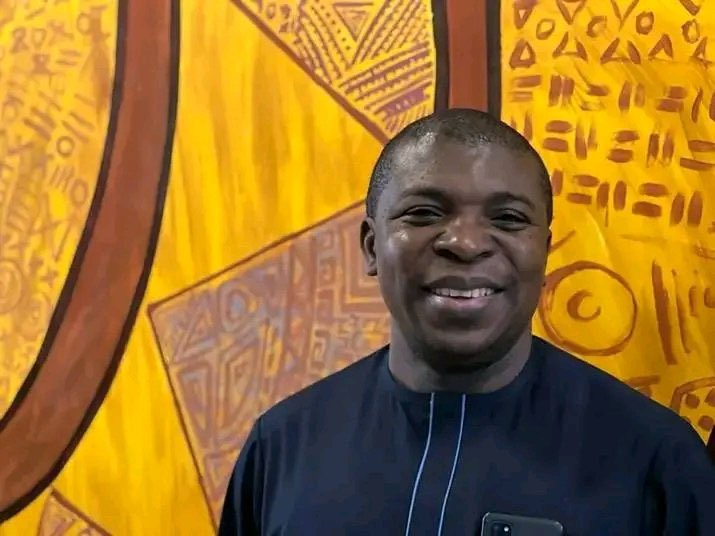
Despite the gravity of the accusations, the Presidency maintains that no evidence of forgery exists. Senior Special Assistant to the President on Media and Publicity, Temitope Ajayi, dismissed the claims as “opposition noise” designed to create a toxic environment around government policy. He affirmed that the administration would not be distracted and that relevant agencies are already mobilized for the January 2026 takeoff.
Special Adviser on Information and Strategy, Bayo Onanuga, echoed this sentiment, stating that the law is already effectively in motion. While acknowledging the House of Representatives’ probe, Onanuga ruled out any suspension of the reforms, asserting that the executive would wait for the committee’s findings but would not halt the structural modernization of the Nigeria Revenue Service (NRS).
The political friction is spilling over into the public sphere, with civil society organizations and political parties like the African Democratic Congress (ADC) labeling the reforms as “draconian.” The Take-It-Back Movement has begun mobilizing for nationwide protests, arguing that the reforms disproportionately target the informal sector, young entrepreneurs, and content creators.
As the ad hoc committee begins its clause-by-clause scrutiny of the Nigeria Tax Act and the Nigeria Revenue Service (Establishment) Act, the fundamental question remains: are the gazetted laws the same ones passed by the people’s representatives? The outcome of this investigation will determine the legitimacy of President Tinubu’s most ambitious economic reform to date.