
 By Charles Pemu
 A major controversy erupted across Nigeria this week following the decision of a Lagos-based breast cancer patient, Mensah Omolola, known on social media as Auntie Esther, to reject a medically advised blood transfusion. The decision has sparked widespread outrage, coming just weeks after Nigerians rallied to donate over N30 million for her critical treatment.
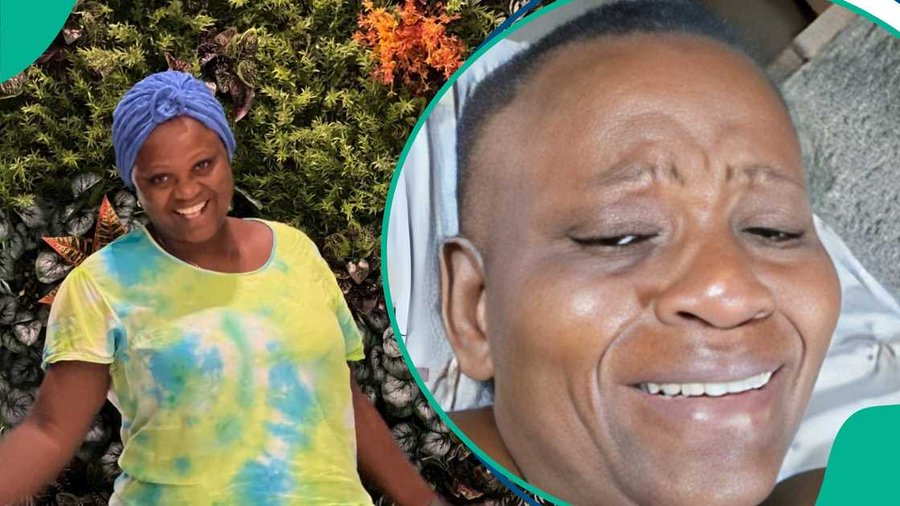
The 38-year-old, currently receiving care at the Lakeshore Cancer Centre in Lagos, is a member of the Jehovah’s Witnesses, a denomination known for refusing whole-blood transfusions based on its interpretation of biblical texts.
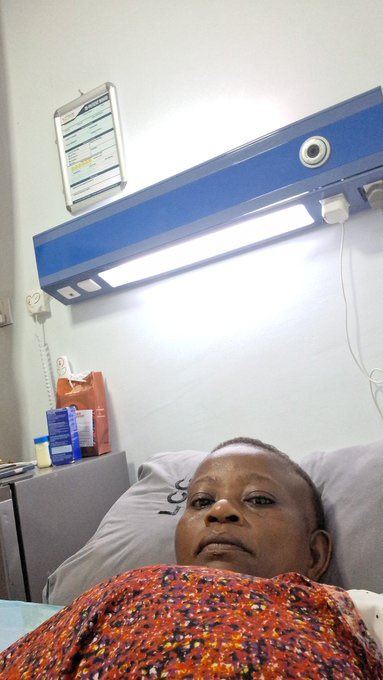
Omolola’s case gained prominence in November 2025 after a viral video appeal for financial assistance. This was not without initial controversy; an earlier video she made in October had raised doubts among some social media users who suspected her illness might be a hoax. Reacting to the disparaging comments, Omolola publicly addressed the skeptics with heavily worded, informal social media posts.
Despite the initial friction, her deteriorating condition, highlighted by a stark “before and after” photo showing significant weight loss, moved the public to act. A campaign spearheaded by prominent X users, including Dr. Olusina Ajidahun and Wisdom Obi-Dickson, successfully raised a total of N30,850,2525.
Rejection Sparks Public Backlash
The mood among donors shifted dramatically on Friday when Omolola publicly announced her refusal to accept a blood transfusion, citing her faith. In a post addressed to her supporters, she confirmed that while doctors had recommended chemotherapy, she would rely on injections and food supplements to boost her blood count instead. She wrote that she and her family chose this non-blood alternative, adding, “Doc accept my decision and say she go follow me.”
Her position immediately ignited public fury, with many questioning the ethical use of public funds if a critical, potentially life-saving component of her treatment was to be rejected. Concerns are high that Omolola’s chances of survival may diminish significantly without a transfusion, particularly before chemotherapy sessions, which are known to severely weaken a patient’s blood count.
Fund Coordinators Withdraw Support
Wisdom Obi-Dickson, who spearheaded the massive donation drive, publicly accused Omolola of deliberately downplaying key medical details in her appeal. He stated that she intentionally refused to disclose the required blood transfusion to the public.
Following weeks of emotional strain, Obi-Dickson and other volunteers announced their withdrawal from the case. “Her family have said whatever happens to her is the will of God, while fighting against blood transfusion,” he stated, adding that it was best to “leave her in their care if religion trumps medical science.” He further alleged that Omolola had attempted to mislead those coordinating her care, asserting, “Aunty Esther is not a good or honest person.” Dr. Ajidahun and Obi-Dickson have agreed to compensate a third volunteer, Aunty Muse, for her tireless efforts as a caregiver at the hospital.
The controversy deepened after investigative journalist David Hundeyin condemned the decision, arguing that her religious doctrine was interfering with life-saving medical treatment, which he described as a form of mental colonisation. Another X user, David Onyemaizu, faulted her stance, pointing out that strangers, and not her congregation, rose to her aid when her situation became dire.
The Jehovah’s Witness Stance and Legal Precedents
The dispute has sharply divided public opinion online, creating a debate between the sanctity of religious rights and the accountability of crowdfunded medical care.
A self-identified Jehovah’s Witness member on X, Emmanuel Philip, countered the criticisms, claiming that members are well-supported internally and never need to beg from the public. However, Nollywood actress Kate Henshaw was among many who fiercely refuted this, accusing the congregation of failing to act until outsiders intervened.
Despite the ongoing dispute, Omolola remains in the hospital preparing for chemotherapy under what doctors described as a “modified plan.”
Consultant Obstetrician and Gynaecologist, Dr. Babatunde Rosiji, explained that while blood transfusion is a basic, life-saving intervention, practitioners cannot legally compel a competent adult patient to undergo treatment against their will. Similarly, lawyer and rights activist Ridwan Abdulkareem affirmed that treating a patient without their consent violates fundamental rights. The standard procedure requires doctors to counsel the patient and obtain a written refusal of informed consent for documentation.
However, state intervention is possible in certain circumstances. In a similar case in January 2020, the Lagos State Government, through the Office of the Public Defender, secured a court order under the Child Rights Law to compel a blood transfusion for a severely jaundiced 14-day-old baby after the Jehovah’s Witness parents refused the treatment.
For now, the debate rages on: should the donated funds be redirected to another patient willing to accept full treatment, or must Omolola’s right to uphold her religious beliefs—with potentially fatal consequences—be respected above all else?