
 By Peter Onyekachukwu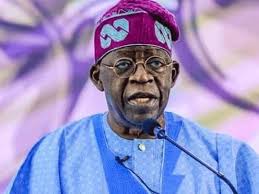
By Peter Onyekachukwu
President Bola Ahmed Tinubu has ordered the immediate withdrawal of police officers attached to VIPs across the country, directing that they be redeployed to communities where insecurity has worsened due to limited police presence.
The directive, issued during a high-level security meeting in Abuja on Sunday, marks one of the boldest attempts yet to refocus the Nigeria Police Force on its core responsibility of protecting citizens and maintaining law and order.
For years, thousands of officers have been assigned to private individuals, politicians, businessmen and other VIPs, leaving police stations especially in rural areas critically understaffed. In many communities, residents say they rarely see a police patrol and are left vulnerable to kidnappers, bandits and violent gangs.
A senior presidency official said the President expressed concern that “ordinary Nigerians are paying the price for a system that allocates more police officers to individuals than to entire communities.”
Under the new directive, VIPs who require armed escorts will no longer receive police personnel. Instead, they will apply for security support from the Nigeria Security and Civil Defence Corps (NSCDC), which will now be responsible for such assignments.
The President’s decision comes at a time when several states are battling worsening attacks, with many rural police stations manned by just a handful of officers sometimes fewer than five.
To strengthen the force, President Tinubu has approved the recruitment of 30,000 additional police officers, part of a broader plan to improve visibility and response time nationwide. He also reaffirmed the federal government’s partnership with states to upgrade police training schools and facilities.
The Abuja meeting was attended by the Chief of Army Staff, Lt-Gen Waidi Shaibu; Chief of Air Staff, Air Marshal Sunday Kelvin Aneke; Inspector General of Police, Kayode Egbetokun; and Director-General of the Department of State Services (DSS), Tosin Adeola Ajayi.
Officials at the meeting were said to have agreed that the police must return to being “a people-centered force” rather than a private security system for the privileged.
Presidential aide Bayo Onanuga, who confirmed the development, said the directive reflects the President’s desire to “boost police presence in all communities and ensure that no part of the country is left unprotected.”
Security analysts have long argued that redistributing police manpower is essential to combating the rising tide of insecurity. With this new policy, the President is betting that more boots in communities could help restore confidence, especially in areas where residents say they feel abandoned.