
 By Charles Pemu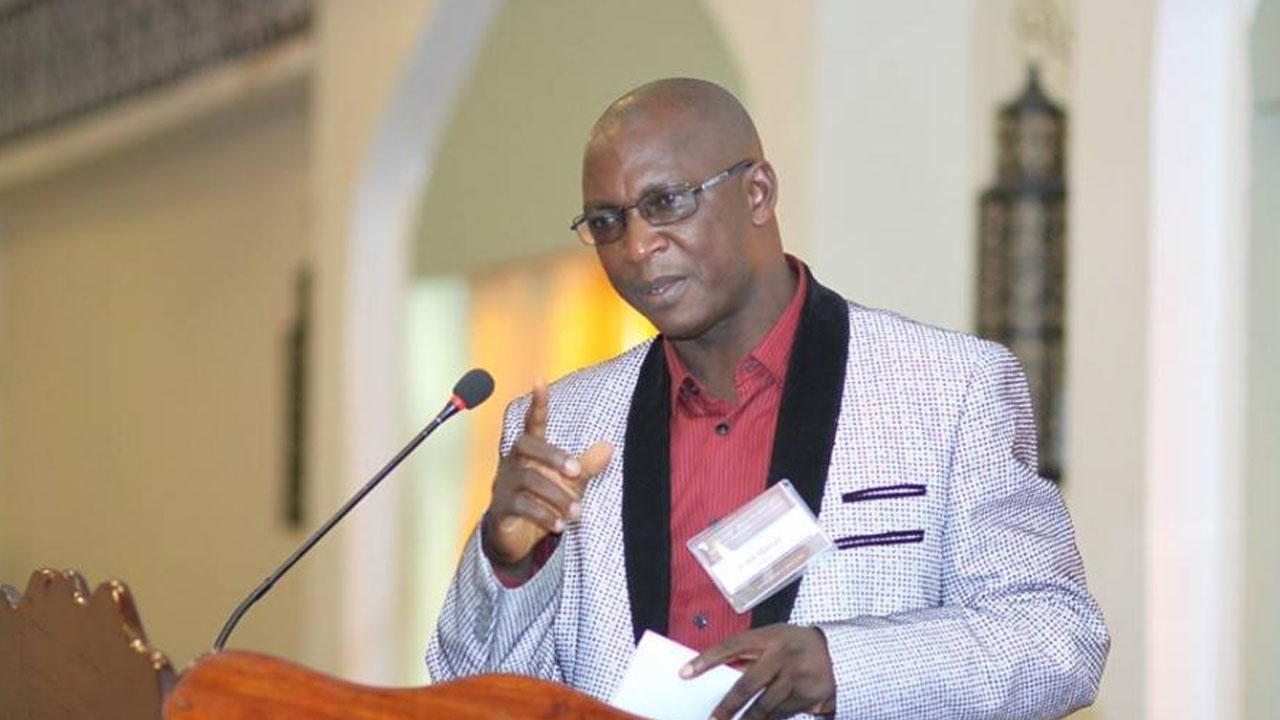
The Chairman of the Christian Association of Nigeria (CAN) for the 19 Northern states and the Federal Capital Territory (FCT), Reverend John Joseph Hayab, has strongly affirmed that the sustained killings of Christians in Northern Nigeria qualify as genocide, emphasizing that the refusal of Nigerian authorities to acknowledge this persecution is a profound injustice to victims and their families.
Speaking in a compelling interview on ARISE News, Reverend Hayab addressed the recent concerns raised by global leaders like US President Donald Trump over the situation. He insisted that religiously motivated attacks have been an ongoing reality for decades, long before the emergence of the Boko Haram insurgency.
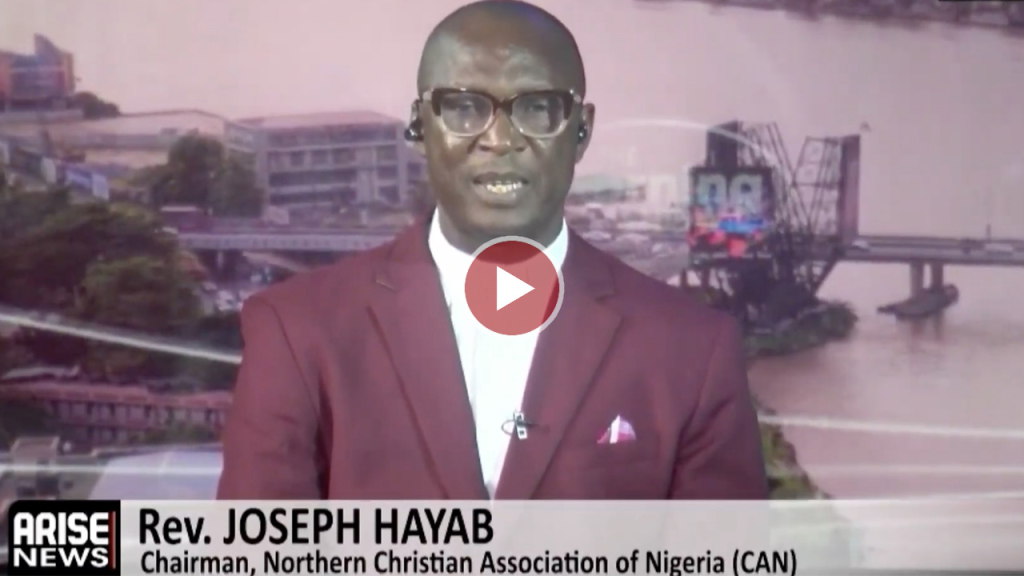
Reverend Hayab categorically stated that attempts by various groups to deny or downplay the violence—often dismissing it as mere farmers-herders conflict—are disingenuous.
“Can I consider what has been happening as genocide against Christians? And my straightforward answer is yes. Y-E-S, Yes,” he declared.
The Northern CAN Chairman stressed that those who have personally witnessed the atrocities and conducted numerous burials know the truth. He warned: “Anybody who comes out and says there is no Christian genocide, it’s not fair to the Christians of Northern Nigeria. Some of us have buried many in numbers… We can give those numbers and incidences with dates.”
He recalled major crises that targeted Christian communities, including the 2000 Sharia crisis in Kaduna and the 2002 Miss World riots, noting how pastors were killed and churches were burnt across the region long before the current Boko Haram threat.
Persecution in Education and Public Life
The discrimination, according to Hayab, extends beyond killings and affects access to basic rights in public institutions. He pointed out that Christian children are often denied admission to certain universities not because they lack qualifications, but because of their faith. Furthermore, in public schools, Christian students are frequently forced to worship in classrooms because they are not provided with chapels.
Reverend Hayab called on the government and society to stop lying to themselves. He insisted that the first essential step toward correcting the problem is acknowledging the historical and current reality: “If we acknowledge that Christians have been killed and truly, we’ve buried many, then we can start to correct it.”
Tracing the roots of religious extremism to the Maitatsine uprising in the 1970s, he explained that while the term terrorism was not used then, the ideology was the same. He asserted that Boko Haram merely made this ideology more official, with the core belief that “anybody who does not believe in their brand of Islam is an infidel.” The Reverend also recalled divisive statements by past religious leaders that have helped entrench the intolerance that continues to influence national politics and coexistence today.
The Nigerian government has consistently and firmly denied the allegation of genocide against Christians in the country, even as international pressure and domestic voices like Reverend Hayab’s continue to escalate the claim.