
 By Charles Pemu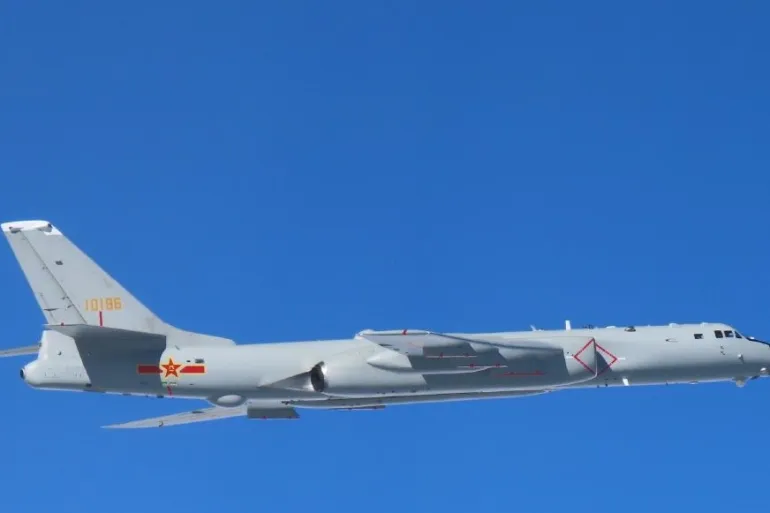
SEOUL & TOKYO – South Korea and Japan simultaneously scrambled fighter jets this week after a joint air patrol conducted by Chinese and Russian military aircraft near both countries, prompting strong diplomatic protests and warnings over escalating regional security threats.
Seoul’s Joint Chiefs of Staff confirmed that seven Russian and two Chinese aircraft, including bombers and fighter jets, entered South Korea’s Air Defence Identification Zone (KADIZ) around 10:00 am local time on Tuesday. While the KADIZ is not sovereign airspace, foreign military aircraft are expected to identify themselves. South Korea deployed fighter jets to implement tactical measures and prepare for potential contingencies in response.
On Wednesday, the South Korean defence ministry lodged a diplomatic protest with representatives of both China and Russia over the entry into the KADIZ, with an official stating the military would continue to respond actively in compliance with international law.
Japan’s Defence Minister, Shinjiro Koizumi, confirmed that Japan separately deployed military aircraft to “strictly implement” air defence measures. He disclosed that two Russian nuclear-capable Tu-95 bombers rendezvoused with two Chinese H-6 bombers over the East China Sea and conducted a “long-range joint flight” around Japan, passing between Okinawa’s main island and Miyako Island.
The Japanese Minister declared that these “repeated joint flights of bombers by both countries signify an expansion and intensification of activities around our country, while clearly intending to demonstrate force against our nation, posing a serious concern for our national security.”
In Beijing, China’s Ministry of National Defence confirmed the coordinated military action, stating that the joint air drills were carried out in accordance with “annual cooperation plans.” The exercise, which took place above the East China Sea and western Pacific Ocean, was designated the “10th joint strategic air patrol” between the two nations since 2019. Moscow also confirmed the eight-hour patrol, noting that some foreign fighter jets had monitored the Russian and Chinese aircraft at certain stages.
The incident underscores the deepening military and defence ties between China and Russia, who are also both allies of North Korea, and comes amid heightened tensions in the region, including a recent radar lock-on incident between Chinese and Japanese aircraft near Okinawa.