
 By Charles Pemu
 After years of appearing resigned to the “coup contagion” sweeping West Africa, the Economic Community of West African States (ECOWAS) has staged a dramatic intervention, successfully thwarting a military uprising in Benin. The move, spearheaded by Nigeria, marks a decisive shift in regional strategy, transforming the bloc from a diplomatic observer into an active defender of constitutional order.
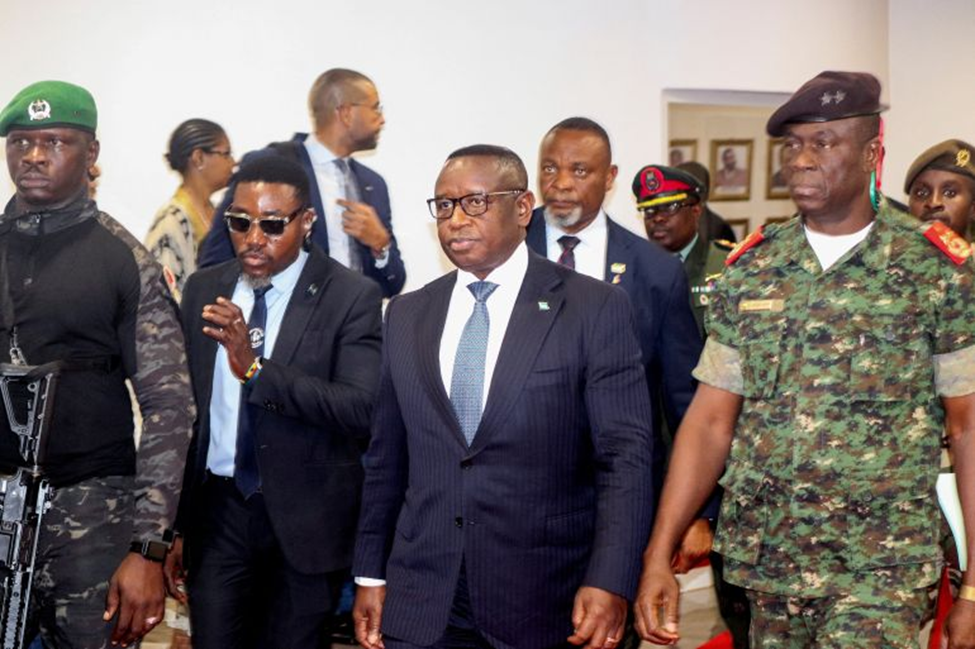
The crisis began on December 7, 2025, when a small group of putschists attempted to seize the presidential palace and national television station. Unlike recent successful takeovers in the Sahel, the situation in Benin ended by nightfall with the government still standing, bolstered by Nigerian air strikes and regional ground troops.
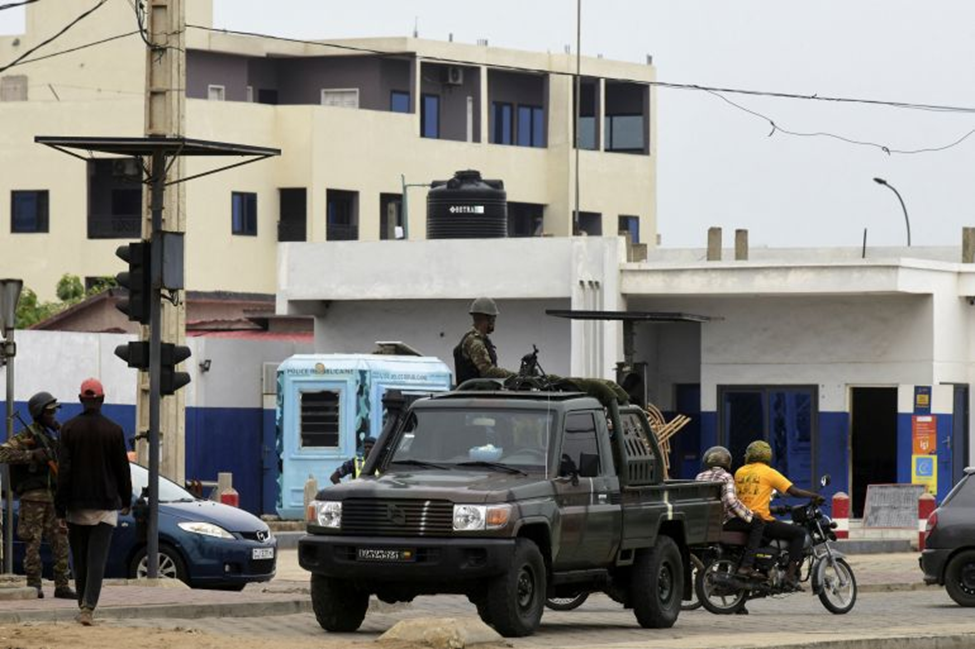
According to security analysts, the Benin coup failed where others succeeded due to two critical errors by the rebels. First, they failed to take President Patrice Talon hostage, allowing him to immediately activate regional defense protocols. Second, they misjudged the internal loyalty of the armed forces; the military remained split, preventing the rebels from consolidating power.
This internal division provided the necessary “window of opportunity” for ECOWAS to deploy. Experts suggest that if the Beninese army had been united behind the coup, a regional intervention would have likely resulted in a conventional war a risk the bloc has previously been hesitant to take.
A Strategic Buffer: Why Nigeria Intervened
The intervention was as much about regional security as it was about democratic principles. Strategic interests played a major role in the swift response from Abuja:
- Preventing an AES Expansion: Intelligence reports suggested that a military-led Benin would likely have joined the Alliance of Sahel States (AES)—the pro-Russia bloc formed by Mali, Burkina Faso, and Niger. Such a move would have granted the landlocked AES states access to the Port of Cotonou, significantly boosting their economic leverage and export capabilities.
- Border Security: Nigeria could not afford a security vacuum on its eastern border. With the armed group JNIM recently launching its first attack on Nigerian soil, a stable and democratic Benin is viewed as a vital buffer against the southward spread of extremism from the Sahel.
The Return of the Regional Giant
For President Bola Tinubu, the successful mission in Benin serves as a restoration of Nigeria’s status as a regional powerhouse. Following a failed threat to intervene in Niger in 2023, which was met with domestic resistance and regional defiance, the Benin intervention reinforces Nigeria’s role as the “backbone” of ECOWAS security.
While the mission is being celebrated as a victory for constitutional order, the bloc faces the daunting task of addressing the root causes of instability. Analysts warn that military intervention is only a temporary fix if the “erosion of electoral integrity” continues. Critics point out that President Talon has grown increasingly autocratic, barring opposition from upcoming elections the very type of governance that often triggers military uprisings.
Introspection and the Road Ahead
In the wake of the failed coup, ECOWAS has declared a regional state of emergency, signaling a period of “serious introspection.” The bloc aims to move beyond reactive military deployments toward proactive democratic monitoring.
The challenge remains managing the growing rift between Western-allied ECOWAS members and the pro-Russian AES states. As France draws closer to Nigeria to protect its interests in the region, ECOWAS must work to dispel the narrative that its interventions are externally engineered. For now, the successful defense of Cotonou has drawn a “line in the sand,” warning future putschists that the regional bloc is once again ready to bite.