
 By Charles Pemu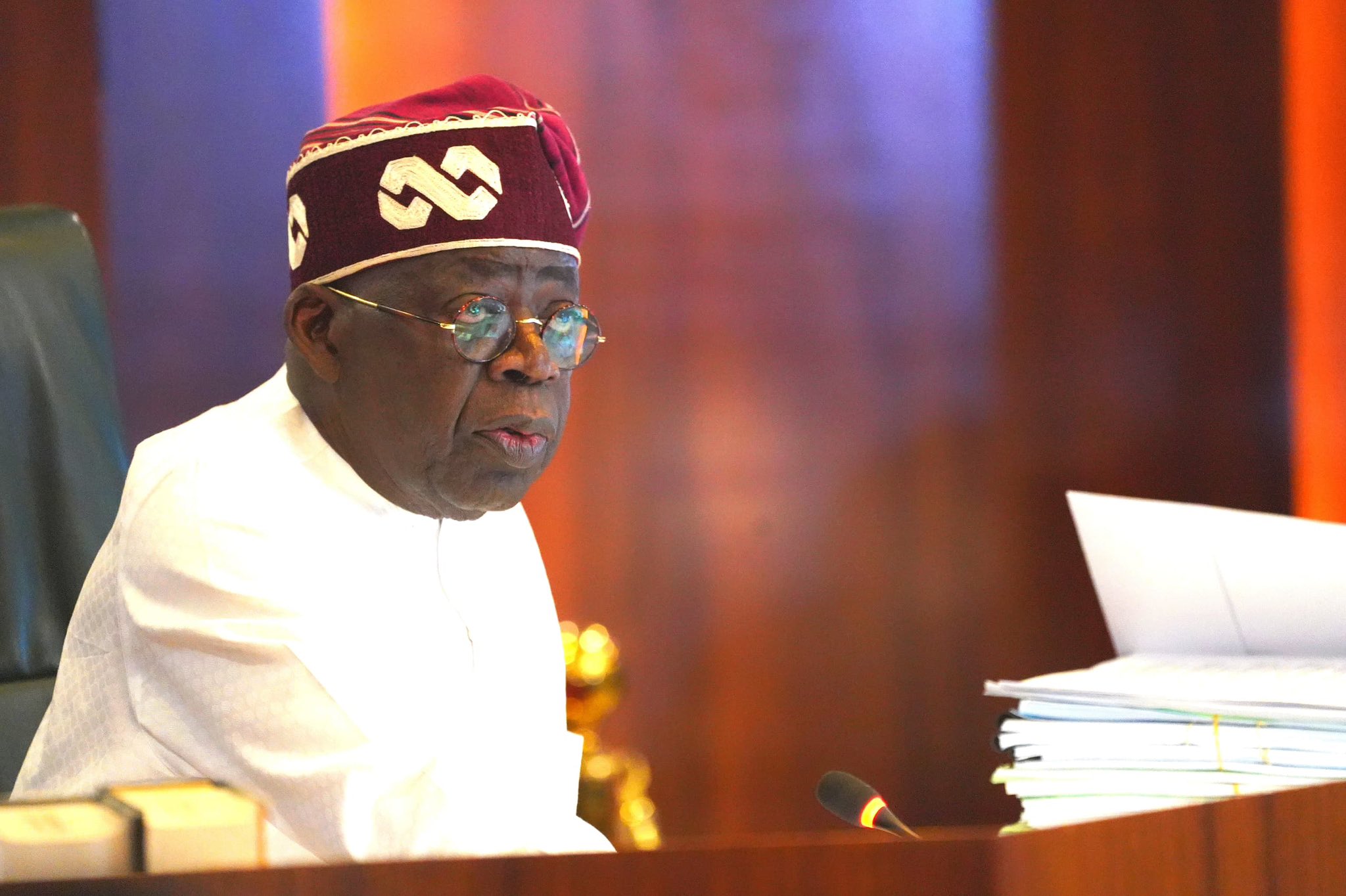
President Bola Ahmed Tinubu has issued a definitive mandate to the thirty-six state governors, instructing them to surrender local government allocations to the respective councils in strict adherence to the landmark Supreme Court judgment on fiscal autonomy. Addressing the 14th National Caucus meeting of the All-Progressives Congress in Abuja, the President emphasized that administrative autonomy remains a hollow concept without a funded mandate. He clarified that the Federal Government would proceed with direct disbursements to local authorities, describing this move as essential for the nation’s democratic health and the compliance with the rule of law.
On the critical issue of national security, the President revealed that he had assured high-level representatives from the United States and the European Union of Nigeria’s commitment to establishing state police. President Tinubu expressed absolute confidence in the capacity of the ruling party to facilitate the necessary legislative framework to decentralize policing, arguing that such a move is vital for tackling regional security challenges. He urged governors and party leaders to remain flexible and deeply involved in local governance, asserting that the success of the government depends on its ability to secure and empower rural communities.
The meeting also served as a significant milestone for the party’s internal modernization and growth. National Chairman Prof. Nentawe Yilwatda highlighted a surge in the party’s national acceptance, citing recent high-profile defections and the implementation of an electronic membership registration system. This new digital drive is expected to improve transparency and data integrity across all party structures. Furthermore, President Tinubu called for a more inclusive political environment, specifically advocating for the increased representation of women within the party’s caucus and leadership ranks.
The political landscape saw a notable shift as six governors recently elected on the platform of the Peoples Democratic Party were present at the caucus meeting following their defection. These leaders from Rivers, Enugu, Delta, Bayelsa, Akwa Ibom, and Taraba states joined other top-tier stakeholders, including the Vice President and members of the National Working Committee, to align on strategic national goals. The gathering reinforced the party’s status as a pan-Nigerian organization with a consolidated majority in the National Assembly, preparing the ground for the next national convention scheduled for March 2026.
Amidst the strategic deliberations, the President paused to offer a solemn commiseration to the government and people of Bayelsa State following the passing of their deputy governor. This moment of reflection underscored the President’s call for a more empathetic and connected leadership style that resonates with the grassroots. Senate President Godswill Akpabio and Speaker Tajudeen Abbas both echoed this sentiment, stressing the importance of legislative-executive synergy and the need to accord state governors their due respect as party leaders while ensuring every member has an equal opportunity to contribute to the nation’s progress.
The conclusion of the caucus meeting signals a renewed drive by the Tinubu administration to enforce constitutional provisions that favor local governance. By prioritizing direct funding and exploring state-led security architectures, the federal government aims to foster a more resilient and accountable governing structure. As the administration moves toward these reforms, the focus remains on maintaining party stability and ensuring that the dividend of democracy reaches every corner of the federation through effective and funded local mandates.