
 By Charles Pemu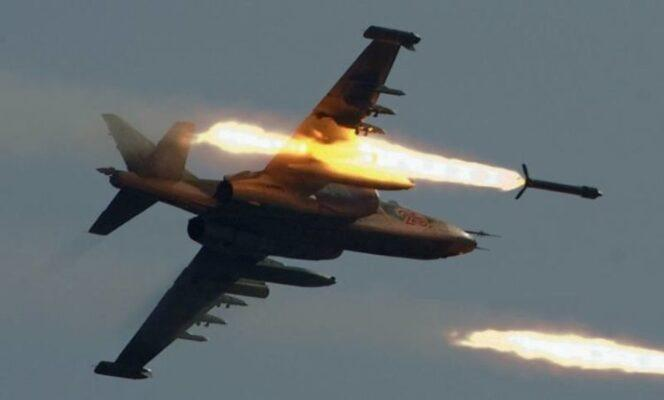
WASHINGTON, D.C. — United States military forces have escalated their lethal campaign against suspected maritime smuggling operations in the Pacific Ocean, resulting in the deaths of five individuals during a series of recent kinetic strikes. The United States Southern Command, commonly referred to as SOUTHCOM, confirmed on Friday that the operations were carried out in the eastern Pacific under the direct authorization of Secretary of Defense Pete Hegseth. The strikes targeted two separate vessels, claiming three lives in the first craft and two in the second, further increasing the human cost of an aggressive maritime strategy that has seen at least 104 fatalities since September.
This latest engagement follows a similar lethal strike conducted just twenty-four hours earlier in international waters, which resulted in four deaths. While the Pentagon has categorized the nine individuals killed over the two-day period as male narco-terrorists, the administration has faced mounting pressure to provide verifiable evidence of criminal activity. Since the commencement of this intensified campaign, approximately thirty vessels have been destroyed across the Pacific and Caribbean theaters, yet Washington has provided little public documentation to confirm that these crafts were involved in the illicit drug trade.
The conduct of the military campaign has come under severe international scrutiny, particularly regarding the actions of Defense Secretary Pete Hegseth. Reports have surfaced alleging that the Defense Secretary may have authorized a secondary strike on survivors who were attempting to cling to floating debris after their vessel was destroyed. Legal experts and human rights advocates have warned that targeting shipwrecked individuals is a direct violation of international law and constitutes a war crime. These allegations have sparked a fierce debate over the ethical and legal boundaries of the Trump administration’s “maximum pressure” tactics on the high seas.
Across Latin America, government leaders and legal scholars have been vocal in their condemnation of these operations, frequently labeling them as extrajudicial killings. Critics argue that the use of lethal force in international waters without due process or transparent evidence undermines the established rules of global maritime governance. Despite these protests, the White House continues to defend the campaign as a necessary deterrent against powerful cartels that use maritime routes to flood the United States with narcotics.
Geopolitical Tensions and the Venezuelan Blockade
The maritime strikes are part of a broader and increasingly volatile confrontation between the United States and the Venezuelan government. President Trump has recently coupled these kinetic operations with a “total” naval blockade aimed at preventing sanctioned oil tankers from entering or leaving Venezuelan ports. This maneuver is intended to cripple the economic resources of the Maduro administration, which Washington accuses of overseeing a state-sponsored drug trafficking network. The deployment of a significant military presence to the region underscores the administration’s commitment to achieving a fundamental shift in the Venezuelan political landscape.
President Nicolas Maduro has retaliated with sharp rhetoric, accusing Washington of using the pretext of anti-narcotics operations to mask a strategy of regime change and resource seizure. Maduro maintains that the ultimate goal of the naval blockade and the accompanying military strikes is to secure control over Venezuela’s vast oil reserves. As the death toll in the Pacific and Caribbean continues to rise, the intersection of drug interdiction and geopolitical warfare remains one of the most contentious flashpoints in contemporary international relations.